


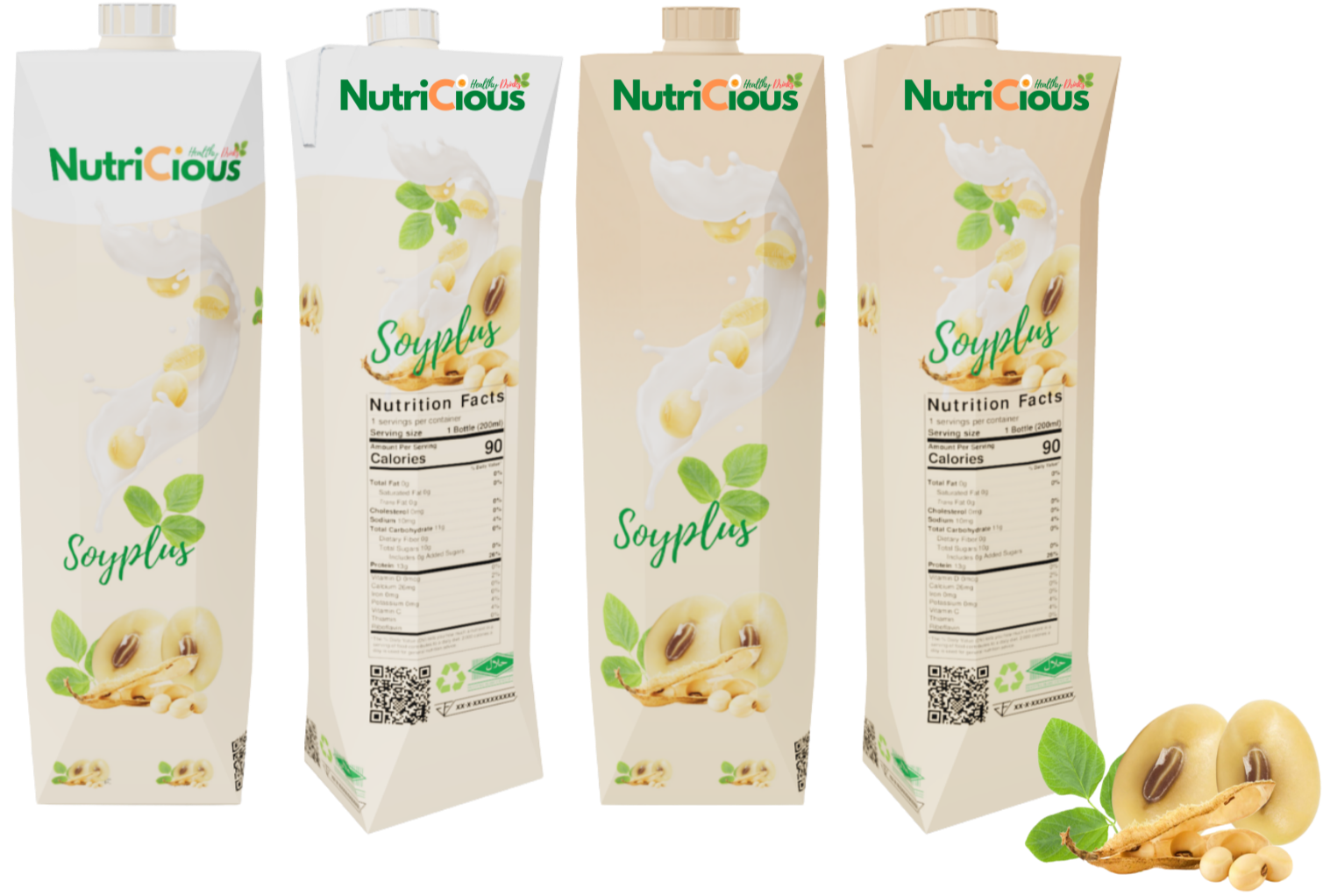

AWARD-WINNING TASTES.
Soy milk is a well-known dairy milk substitute, but it is more than that. On its own, soy milk can be a valuable addition to your diet. This healthy, flavorful beverage began as a byproduct of the tofu manufacturing process. Soy milk is now available across the country as a lactose-free dairy substitute with unique health benefits.
Health Benefits
Soy milk's vitamins, minerals, and antioxidants can provide significant health benefits. For example, the forms of vitamin B found in soy milk are essential for your body's maintenance of nerve cells and DNA. They can also aid in the prevention of certain types of anemia, which can lead to tiredness and fatigue.
Protein is also abundant in soy milk. Soy milk protein is plant-based and can help support healthy muscles and organs.
Furthermore, soy milk can provide additional health benefits such as:
Brain Health
Soy milk contains a high concentration of omega-3 fatty acids, which are "healthy" fats that your body cannot produce on its own. The consumption of omega-3 fatty acids has been linked to a lower risk of dementia and Alzheimer's disease. Soy milk's effect on these diseases is still being studied, but soy in general is one of the best non-animal sources of omega-3 fatty acids.
Improved Heart Health
Soy milk can also be beneficial to your cardiovascular system. Soy milk, whether fortified or not, is an excellent source of potassium. Potassium is intimately linked to maintaining normal blood pressure and a regular pulse. Soy milk has also been linked to lower cholesterol levels, particularly in people with high cholesterol.
Reduced Symptoms of Menopause
Soy milk contains isoflavones, a type of chemical known as a "phytoestrogen." These isoflavones behave in the body similarly to a weak form of estrogen. As a result, studies have shown that consuming soy milk and other soy products may help reduce menopausal symptoms such as hot flashes.
Nutrition
The majority of the soy milk sold in supermarkets and health food stores has been fortified with additional nutrients. As a result, fortified soy milk is an excellent source of calcium, the most abundant mineral in your body. Calcium can help strengthen your bones and lower your risk of osteoporosis.
Soy milk is also a good source of the following nutrients:
- Vitamin A
- Vitamin B
- Potassium
- Calcium
- Retinol
- Folate
- Choline
Nutrients per Serving
A cup of soy milk contains the following ingredients:
- Calories: 100
- Protein: 7 grams
- Fat: 4 grams
- Carbohydrates: 8 grams
- Fiber: 1 gram
- Sugar: 6 grams
Things to Watch Out For
While isoflavones can help reduce menopausal symptoms, they can also be harmful. More research is needed, but some studies suggest that isoflavones may be linked to decreased thyroid function. These isoflavones may have an effect on how your thyroid hormones are produced. However, these studies are still inconclusive and require additional research. There is no evidence that drinking soy milk will negatively impact thyroid function as long as you consume enough iodine in your daily diet.
Anyone who is allergic to soy should avoid drinking soy milk. Soy milk used in recipes can also cause allergic reactions, so it's best to avoid soy milk entirely if you or a member of your family is allergic to soy.
How to Include Soy Milk in Your Diet
Soy milk is widely available in grocery stores, health food stores, and restaurants across the country. You can also make your own soy milk at home.
Soak ten ounces of soybeans overnight in water. Then, for ten minutes, boil these beans in twelve cups of water. Blend the water and soybeans until smooth, then continue to cook for another forty minutes. You can season with a pinch of salt or sugar to taste. After the soybeans have finished simmering, strain the mixture through a cheesecloth to remove the solids. Soymilk can be stored for up to a week, which is roughly the same amount of time as dairy milk.
Here are some ways to incorporate soy milk into your diet:
- Blend soy milk into a smoothie.
- Make your coffee with soy milk.
- Consume cereal with soy milk.
- Soy milk can be used in baked goods.
- Soy milk can be used to make a bechamel sauce.
- In a curry, use soy milk.
Soy Milk Original Taste 1L per Box
AWARD-WINNING TASTES.
Soy milk is a well-known dairy milk substitute, but it is more than that. On its own, soy milk can be a valuable addition to your diet. This healthy, flavorful beverage began as a byproduct of the tofu manufacturing process. Soy milk is now available across the country as a lactose-free dairy substitute with unique health benefits.
Health Benefits
Soy milk's vitamins, minerals, and antioxidants can provide significant health benefits. For example, the forms of vitamin B found in soy milk are essential for your body's maintenance of nerve cells and DNA. They can also aid in the prevention of certain types of anemia, which can lead to tiredness and fatigue.
Protein is also abundant in soy milk. Soy milk protein is plant-based and can help support healthy muscles and organs.
Furthermore, soy milk can provide additional health benefits such as:
Brain Health
Soy milk contains a high concentration of omega-3 fatty acids, which are "healthy" fats that your body cannot produce on its own. The consumption of omega-3 fatty acids has been linked to a lower risk of dementia and Alzheimer's disease. Soy milk's effect on these diseases is still being studied, but soy in general is one of the best non-animal sources of omega-3 fatty acids.
Improved Heart Health
Soy milk can also be beneficial to your cardiovascular system. Soy milk, whether fortified or not, is an excellent source of potassium. Potassium is intimately linked to maintaining normal blood pressure and a regular pulse. Soy milk has also been linked to lower cholesterol levels, particularly in people with high cholesterol.
Reduced Symptoms of Menopause
Soy milk contains isoflavones, a type of chemical known as a "phytoestrogen." These isoflavones behave in the body similarly to a weak form of estrogen. As a result, studies have shown that consuming soy milk and other soy products may help reduce menopausal symptoms such as hot flashes.
Nutrition
The majority of the soy milk sold in supermarkets and health food stores has been fortified with additional nutrients. As a result, fortified soy milk is an excellent source of calcium, the most abundant mineral in your body. Calcium can help strengthen your bones and lower your risk of osteoporosis.
Soy milk is also a good source of the following nutrients:
- Vitamin A
- Vitamin B
- Potassium
- Calcium
- Retinol
- Folate
- Choline
Nutrients per Serving
A cup of soy milk contains the following ingredients:
- Calories: 100
- Protein: 7 grams
- Fat: 4 grams
- Carbohydrates: 8 grams
- Fiber: 1 gram
- Sugar: 6 grams
Things to Watch Out For
While isoflavones can help reduce menopausal symptoms, they can also be harmful. More research is needed, but some studies suggest that isoflavones may be linked to decreased thyroid function. These isoflavones may have an effect on how your thyroid hormones are produced. However, these studies are still inconclusive and require additional research. There is no evidence that drinking soy milk will negatively impact thyroid function as long as you consume enough iodine in your daily diet.
Anyone who is allergic to soy should avoid drinking soy milk. Soy milk used in recipes can also cause allergic reactions, so it's best to avoid soy milk entirely if you or a member of your family is allergic to soy.
How to Include Soy Milk in Your Diet
Soy milk is widely available in grocery stores, health food stores, and restaurants across the country. You can also make your own soy milk at home.
Soak ten ounces of soybeans overnight in water. Then, for ten minutes, boil these beans in twelve cups of water. Blend the water and soybeans until smooth, then continue to cook for another forty minutes. You can season with a pinch of salt or sugar to taste. After the soybeans have finished simmering, strain the mixture through a cheesecloth to remove the solids. Soymilk can be stored for up to a week, which is roughly the same amount of time as dairy milk.
Here are some ways to incorporate soy milk into your diet:
- Blend soy milk into a smoothie.
- Make your coffee with soy milk.
- Consume cereal with soy milk.
- Soy milk can be used in baked goods.
- Soy milk can be used to make a bechamel sauce.
- In a curry, use soy milk.
